
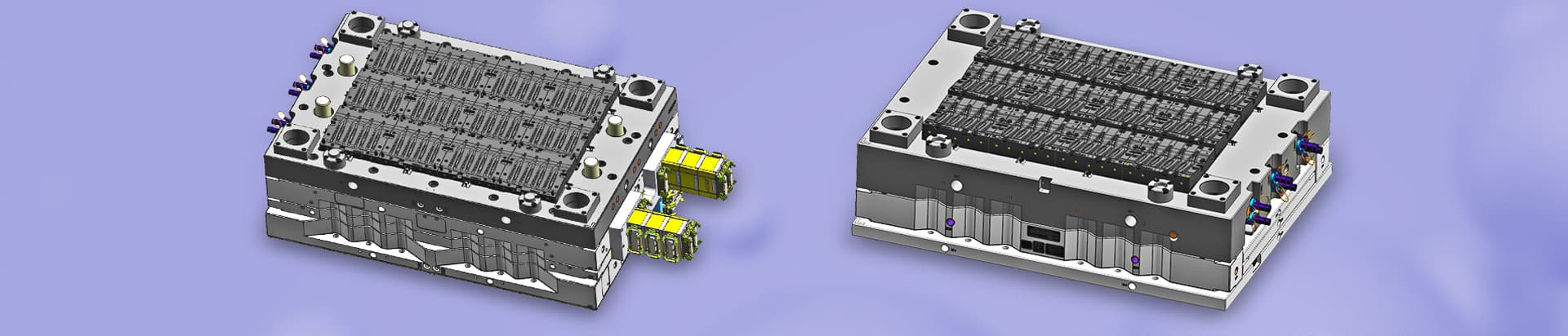
Injection molding machines are the backbone of countless manufacturing processes. These machines play a vital role in bringing our favorite plastic products to life. But what exactly makes them tick? Let's take a closer look at the intricate parts and components that make up these powerful machines.
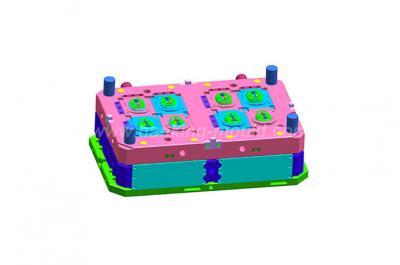
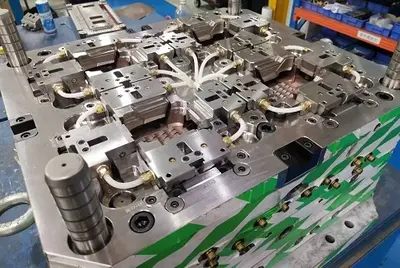
First up, we have the clamping unit. This essential part includes the clamping cylinder, which securely holds the mold in place during the injection process. The mold itself is like a sculptor's canvas, shaping the final product with meticulous precision.
Next, we move on to the injection unit. This component consists of the barrel, where the raw material is heated to melting point, and the screw, which pushes the molten material into the mold with precision and speed.
The hydraulic system is the powerhouse behind the machine's operations. It comprises the hydraulic pump, which provides the necessary pressure for the injection process, and a series of valves that control the flow of hydraulic fluid.
Heating elements such as band heaters and nozzles play a crucial role in ensuring the raw material reaches the optimal temperature for injection. These elements must be maintained to guarantee consistent and quality results.
Cooling systems, including cooling channels and chillers, are essential for quickly cooling the molded parts and ensuring they retain their shape. Proper cooling is key to preventing defects and ensuring product quality.
To keep your injection molding machine running smoothly, regular maintenance is key. Be sure to clean and lubricate parts regularly to prevent wear and tear. Check for any signs of damage and address them promptly to avoid disruptions in production.
Common issues that may arise include clogs in the barrel, leaks in the hydraulic system, or problems with the control system. Stay vigilant and be prepared to troubleshoot these issues efficiently to keep your operation running smoothly.
And there you have it – a comprehensive exploration of the key components of injection molding machines. By understanding the intricacies of these parts and components, you can unleash the full potential of your machine and achieve exceptional results.
Remember to prioritize maintenance and stay proactive in troubleshooting any issues that may arise. With the right knowledge and care, your injection molding machine will continue to be a powerhouse of production for years to come.


 Call us on:
  Email Us:
  1st Floor, Block1, No.3 Beiting Road, Houting Community, ShaJing Street, Bao'An District, Shenzhen City, Guangdong Province, China
  English
 Deutsch
 italiano
 русский
 français
 română
 العربية
 Español
 Polska
 日本語
日本語 한국어
한국어